Ratchaphruck Flower Pattern: A Designer's Real-World Review
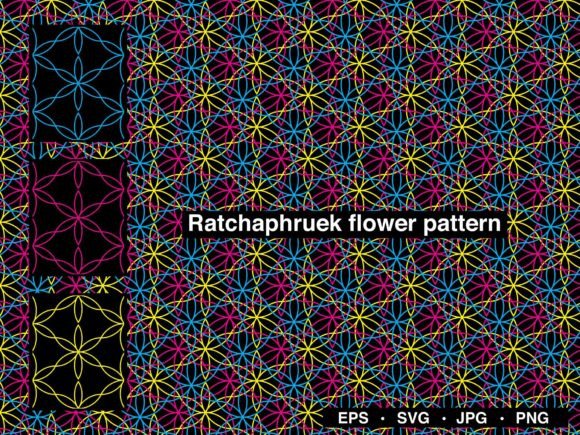
When I first opened the Ratchaphruck Flower Pattern file, my immediate reaction wasn't about stitch counts or file formats. It was about the mood. As someone who has spent years reviewing machine embroidery design assets for both personal hobbies and commercial clients, I know that a successful pattern does more than just fill space; it sets a tone. This set of Illustrations featuring bright floral backgrounds immediately suggests energy, vibrancy, and a touch of traditional elegance that feels ready to be translated into thread.
The product description highlights its versatility as a background image with editable colors, which is a huge plus for modern embroidery project workflows. But can it actually hold up when stitched onto fabric? In this review, I am putting the Ratchaphruck Flower Pattern through a practical stress test, imagining how it performs on real garments and home goods before you commit your time and materials to it.
First Impressions: Mood and Visual Personality
The visual personality of this design is distinctively bold. The "bright colors" mentioned in the description are not subtle pastels; they command attention. For an embroidery designer, this means the design has a strong potential for creating high-impact finished products. The layout appears structured enough to serve as a reliable background while offering decorative accents that can frame text or logos.
What stands out most is the adaptability. Because the colors can be edited according to imagination, this digital embroidery file isn't locked into a single aesthetic. You could shift the palette from a vibrant spring garden to a sophisticated monochrome look for a corporate gift. This flexibility makes it an excellent asset for Etsy sellers and small shop owners who need to customize items quickly without starting from scratch every time.
Real-World Application: From Screen to Stitch
Let's imagine a specific scenario. You are preparing for a holiday craft fair and need to create a line of custom embroidered tote bags. You want something that looks professional but also festive. You decide to use the Ratchaphruck Flower Pattern as the main backdrop for the bag's front panel.
Here is where the design shines. Unlike dense, solid blocks of stitching that can make fabric stiff, this pattern seems designed to breathe. When stitched on a canvas tote, the bright floral motifs would pop against the neutral fabric, creating a handmade product that feels curated rather than mass-produced. The pattern works particularly well as a border or a full-background wash on larger items like aprons, pillow covers, or even a large kitchen towel.
I also envision this design being used for baby embroidery. While the colors are bright, they don't feel overwhelming if scaled correctly. Imagine a soft baby onesie with a smaller version of the Ratchaphruck flowers around the neckline. The editability allows you to soften the hues to pastel pinks, blues, or yellows, making it perfect for personalized gifts that parents will cherish. The design adds a layer of sophistication that elevates a simple garment into a boutique item.
Technical Considerations and Fabric Choices
While the concept is strong, any experienced apparel decorator knows that the devil is in the details. The Ratchaphruck Flower Pattern relies heavily on color contrast and stitch clarity. When evaluating this for real use, we must consider the stitch density. If the original vector or digitization packs too many stitches into small areas, the fabric might pucker, especially on thin materials.
This design requires careful consideration of the base fabric. On stable fabrics like denim, cotton twill, or felted wool, the satin stitch and fill stitch elements should lay flat and look crisp. However, caution is advised when using this on stretchy knits or very thin synthetics. Without proper stabilizer support, the tension required for such a detailed floral pattern could cause the fabric to distort.
For those working on curved surfaces like caps or hats, the layout of the flower pattern needs to be evaluated carefully. A background pattern that looks great on a flat surface might get distorted when wrapped around the curve of a cap. I recommend testing the hoop size compatibility before committing to a batch of custom apparel. If the design is too wide for a standard 4x4 hoop, you may need to split the pattern or adjust the scale, which changes the visual impact.
Where to Use It (And Where to Be Careful)
The Ratchaphruck Flower Pattern is a versatile tool, but it is not a universal solution. It excels in projects where the goal is to add texture and visual interest without obscuring the primary message. It is ideal for:
- Tote bag designs: Creating a vibrant background that complements a central logo or quote.
- Holiday embroidery: Perfect for Christmas stockings or Easter baskets where color pops are desired.
- Boutique branding: Using the pattern as a subtle watermark or border on packaging inserts.
- Patches and badges: When combined with a clean outline, the floral details make for attractive sew-on patches.
Conversely, there are scenarios where this design might struggle. If you are working on a commercial embroidery job for a uniform that requires frequent washing, ensure the stitch density is durable. Dense floral patterns can sometimes trap lint or wear down faster than simpler geometric designs if not stabilized correctly. Additionally, avoid using this on dark fabrics unless you plan to use a heavy underlay or a contrasting thread color that matches the brightness of the pattern. On dark backgrounds, the "bright colors" might lose their definition if the thread choice isn't strategic.
Another critical area is small hoop sizes. If the design includes intricate corners or tiny details, shrinking it down to fit a 3x3 hoop might result in lost definition. The running stitch lines could become muddy, and the overall visual appeal might suffer. Always inspect small details by zooming in on the digitized preview or running a test stitch on scrap fabric.
Maximizing Value and Customer Trust
For craft business owners and creative entrepreneurs, the quality of the design directly impacts customer trust. A poorly executed floral pattern can make a handmade item look amateurish. However, the Ratchaphruck Flower Pattern, when executed with care, signals professionalism. The ability to edit colors allows you to maintain brand consistency across different product lines. Whether you are selling personalized gifts or design assets for other makers, having a flexible, high-quality background pattern is a competitive advantage.
When presenting these items in printable mockups or digital previews, the bright nature of the flowers translates well to screens, attracting clicks and engagement. Customers can easily visualize the final finished product, which reduces hesitation and increases sales. The design's inherent beauty does much of the marketing work for you, provided the physical execution matches the digital promise.
Practical Designer Notes Before You Start
Before you load this embroidery file into your machine for a client order, here is a checklist based on my experience:
- Test on Scrap First: Always run a test on the exact fabric you intend to use. Check how the thread colors interact with the material and whether the stitch density causes puckering.
- Check Color Contrast: Since the design relies on bright colors, ensure your thread selection offers enough contrast against the fabric. What looks good on screen might look washed out on linen.
- Verify Licensing: Confirm whether the license allows for commercial use of the finished items. Many graphics and illustrations have restrictions on selling products made from them.
- Inspect Small Details: Look closely at the corners and edges of the floral shapes. Are they sharp, or do they blur? If they blur, you may need to adjust the digitization settings.
- Stabilize Properly: Given the potential density of a floral background, use a cut-away stabilizer for stability, especially on stretchy fabrics or items that will be washed frequently.
- Compare Light vs. Dark: Test the design on both light and dark backgrounds to see how the color editing options perform in different lighting conditions.
The Ratchaphruck Flower Pattern is more than just a pretty picture; it is a functional tool for creators who value quality and versatility. By understanding its strengths and limitations, you can transform a simple digital product into a standout piece of art that customers love. Whether you are a hobbyist making a one-off gift or a seasoned Etsy seller scaling your inventory, this design offers a solid foundation for your next creative endeavor.