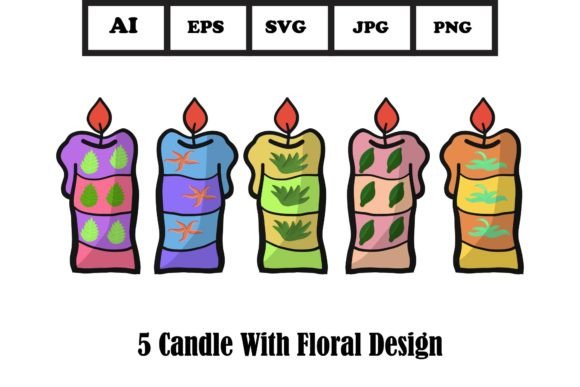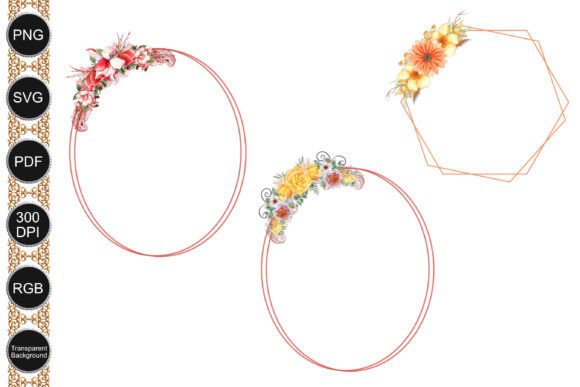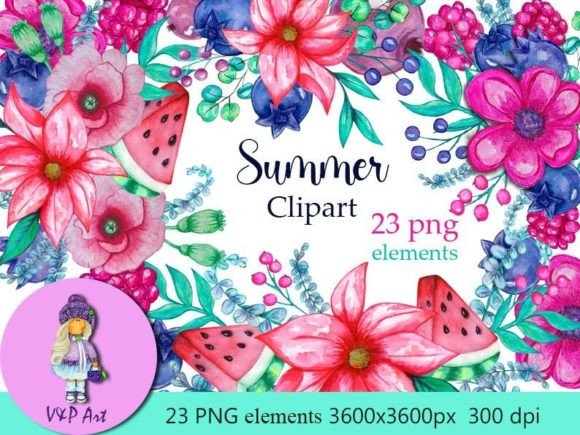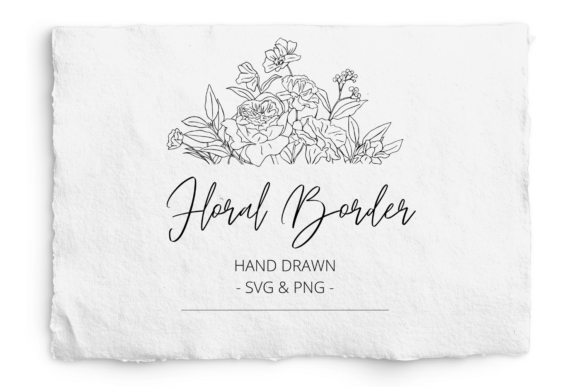
Blooming Plants Set: Fresh Graphics & Illustrations for Publishers
In the fast-paced world of digital publishing, a single visual asset can make or break reader engagement. As a designer who has spent years building editorial systems and managing high-traffic content sites, I know that visual hierarchy is just as critical as the copy itself. Recently, I evaluated a specific graphic design asset titled Blooming Plants Set. Decorative Wildflow to see if it could elevate our upcoming seasonal content series. This review focuses on how these floral elements function within a real-world workflow, from featured images to newsletter headers.
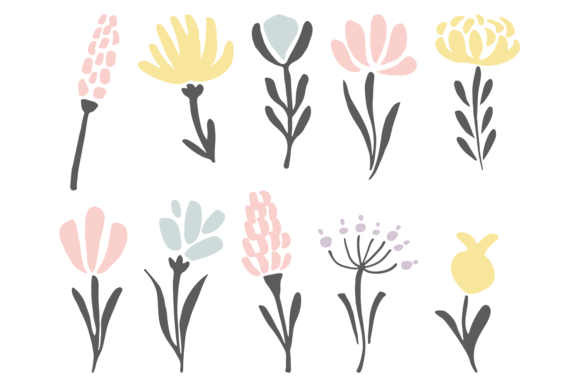
Upon first inspection, this collection of Illustrations and Graphics exudes a natural, organic charm. The design creates an immediate mood that is both playful and polished. Unlike stiff, corporate clip art, this set feels alive. It suggests a lifestyle-focused niche, perfect for blogs covering wellness, gardening, home decor, or creative entrepreneurship. The aesthetic is modern yet timeless, relying on clean lines and vibrant botanical details to capture attention without overwhelming the message. For a publisher looking to build trust through authentic-looking visuals, this asset delivers a sense of warmth and approachability that resonates well with human readers.
Elevating Editorial Quality in Real Publishing Workflows
When I integrate a new design asset into my workflow, I am always asking one question: does this support the story? Blooming Plants Set. Decorative Wildflow excels here because of its versatility. The description notes that these are Floral elements isolated on white background EPS, JPG, SVG, transparent PNG. In practice, this means the assets are ready to be dropped into any layout without unsightly white boxes or complex masking.
I tested these graphics across several key publishing channels. First, I used them as accents for Pinterest pins. The decorative wildflowers provided a perfect frame for text overlays, creating a clear visual hierarchy that guides the eye to the headline. The transparency options allowed me to layer the flowers behind blog titles, making the text pop while maintaining a cohesive brand identity. This is crucial for content marketing, where click-through rates depend heavily on the initial visual hook.
Beyond social media, I applied these digital product elements to internal site structures. They worked beautifully as category thumbnails, instantly signaling to visitors that the content inside was fresh and organic. For affiliate marketing pages, where trust is paramount, using high-quality editorial design elements helps reduce bounce rates. Readers are more likely to engage with a page that looks professionally curated rather than one that feels generic or hastily assembled.
Strategic Applications for Content Creators
The utility of this asset extends far beyond simple decoration. Here is how I recommend deploying these creative design elements across your digital ecosystem:
- Blog Featured Images: Use the larger floral arrangements to create custom thumbnails that stand out in search results and social feeds. The isolation on a white background makes it easy to composite these over gradients or photos.
- Newsletter Headers: Add a touch of elegance to your email campaigns. A subtle arrangement of wildflowers at the top of a newsletter banner can increase open rates by setting a positive emotional tone immediately.
- Digital Guides and Lead Magnets: When designing downloadable resources like worksheets or eBooks, these Illustrations serve as excellent cover art or section dividers. They transform a plain PDF into a premium digital download.
- Social Media Graphics: Create consistent branding for Instagram posts or Facebook ads. The vector formats (SVG) ensure crisp edges even when scaled up for large displays.
- Canva Templates: Because the files include standard web formats, they are easily imported into design tools like Canva. You can build reusable templates for your team, ensuring every piece of small business branding remains consistent.
By utilizing these graphics, you are not just adding pictures; you are building a stronger brand identity. Consistency in visual language helps readers recognize your content instantly, which builds long-term loyalty and authority in your niche.
Where to Apply and Where to Exercise Caution
While Blooming Plants Set. Decorative Wildflow is incredibly versatile, a seasoned publisher knows that context is everything. There are specific scenarios where this asset shines, and others where it might detract from your message.
The asset works best in environments that benefit from a soft, inviting aesthetic. Hero images on landing pages, article headers for lifestyle topics, and content upgrades like free printables are ideal use cases. The decorative nature of the wildflowers adds character to web design projects that need to feel personal and curated. If you are running a website focused on creativity, education, or community, these modern design elements will reinforce your values.
However, caution is required in certain contexts. If your website serves a serious professional niche, such as legal advice, finance, or heavy corporate B2B services, these floral elements might feel too whimsical. In those cases, a very minimal visual system is often preferred. Additionally, be mindful of mobile usage. On small screens, intricate floral details can become blurry or cluttered if not sized correctly. Always test your website header or thumbnail on a mobile device to ensure the visual hierarchy remains clear and the text is legible.
Another pitfall to avoid is placing these graphics on busy backgrounds. Since the asset is isolated on white, it relies on contrast to stand out. Using it on a dark or patterned background requires careful adjustment of opacity or shadow effects to maintain readability. Furthermore, in text-heavy blog images, do not let the graphics compete with the information. Use them as borders or corner accents rather than central focal points when the goal is data transmission.
Practical Publisher Notes for Implementation
To get the most out of this commercial design asset, follow these technical guidelines before publishing:
- Screen Testing: Preview the asset on both desktop and mobile resolutions. Ensure the file size is optimized for web performance so your site loads quickly.
- Typography Pairing: Experiment with different font styles. These flowers pair exceptionally well with serif fonts for a classic look, but also work with sans-serif for a modern feel. Try them alongside script or handwritten fonts for a softer, more personal touch.
- Contrast Checks: Test the graphics in black and white to ensure the shapes remain distinct even without color. Check contrast ratios to guarantee accessibility for all users.
- Licensing Verification: Before using these design assets on monetized websites, affiliate pages, or paid content products, confirm you have the appropriate commercial license. This protects you and ensures you are compliant with marketplace rules.
- Compression: Use proper image compression tools for JPG and PNG files to balance quality with load speed.
In conclusion, Blooming Plants Set. Decorative Wildflow is more than just a collection of pretty pictures. It is a strategic tool for publishers aiming to enhance their editorial quality and reader trust. By integrating these Illustrations thoughtfully, you can create a cohesive visual narrative that supports your content goals. Whether you are crafting a lead magnet, designing a Pinterest pin, or refreshing your website header, this asset offers the flexibility and polish needed for professional content publishing. For bloggers, designers, and entrepreneurs seeking to elevate their digital presence, this is a valuable addition to your creative toolkit.